Twórcy publikują ponad 30 000 filmów miesięcznie w Revid
Animator zdjęć AI
Ożyw swoje zdjęcia dzięki animatorowi zdjęć AI. Prześlij dowolną fotografię i zobacz, jak AI zamienia statyczne obrazy w efektowne animowane wideo z płynnym ruchem i realistycznymi efektami.
Twój prompt do filmu
💡 Opisz zwykłymi słowami, co chcesz zobaczyć w filmie. AI wygeneruje scenariusz na podstawie Twojego promptu.
2,603 filmów utworzonych w Revid w ciągu ostatnich 24 h
Gotowy w kilka minut · Edytuj wszystko przed publikacją
Przykładowe wyniki
Media: AI videoPreset: PhotographyRatio: 9:16Quality: UltraSeedance 1080p
Podobne narzędzia dla Ciebie:
lub odkryj ponad 42 inne narzędzia i stwórz dokładnie taki film, jaki chcesz
**Recommended preset: Ultra Realism**
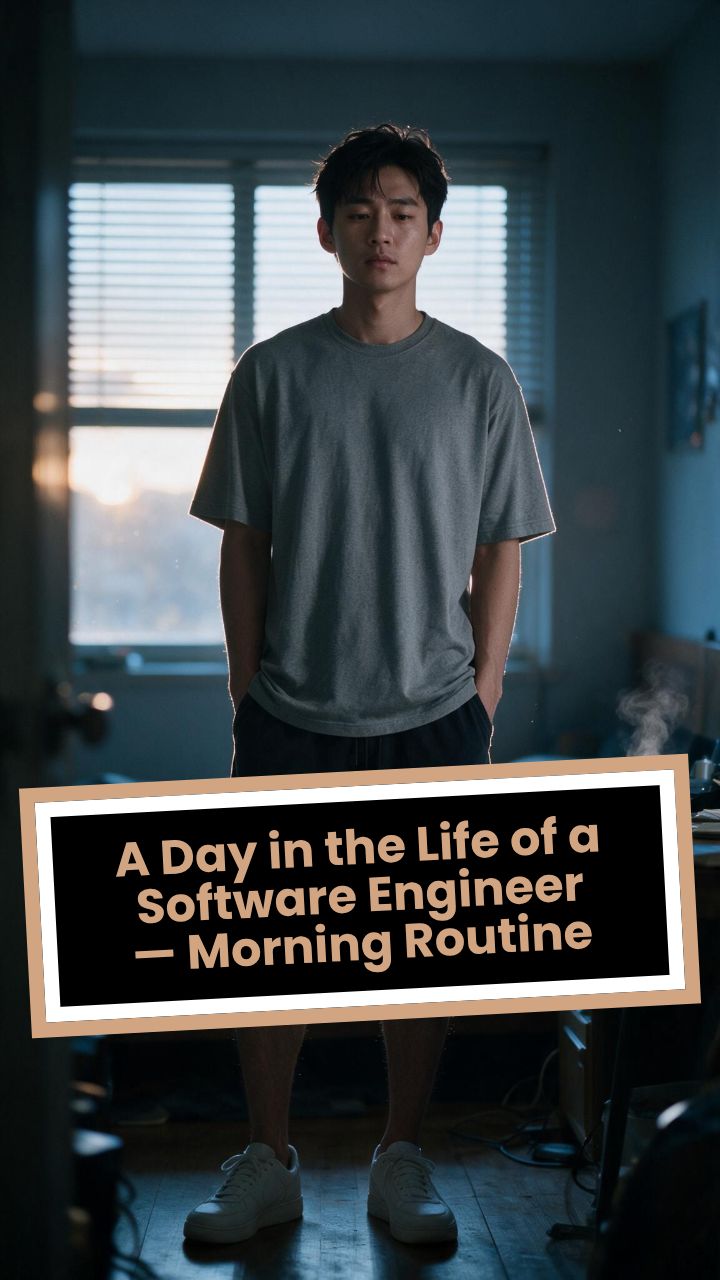
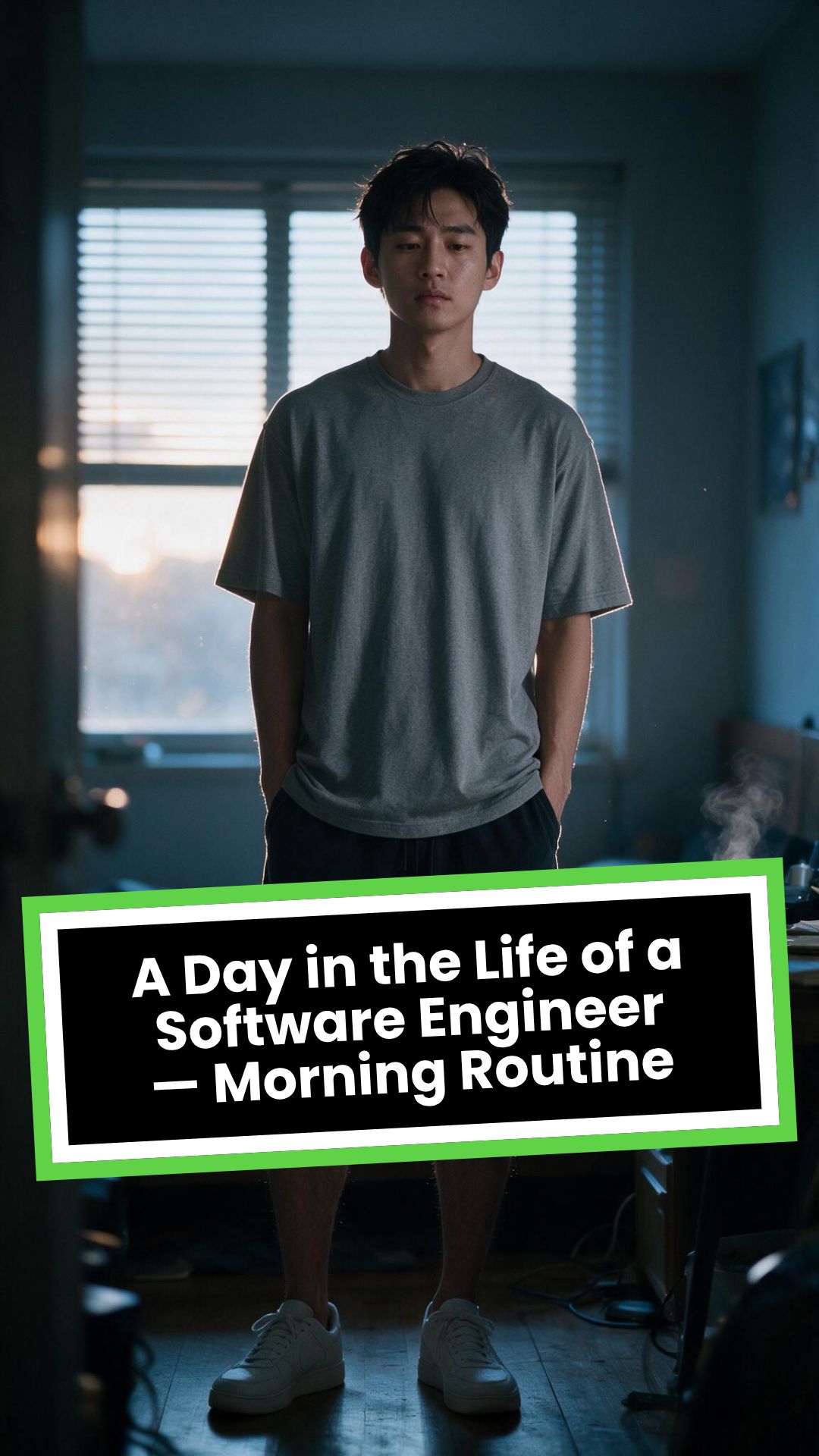
# A Day in the Life of a Software Engineer — Morning Routine
## STARTING FRAME
Extreme macro close-up of a smartphone resting face-up on a dark wooden bedside table in a quiet apartment bedroom before sunrise. The alarm reads **6:30 AM** in crisp white digits. The edge of the phone, tiny dust particles on the table, and the faint reflection of the screen are sharply detailed.
Several feet behind it, a young Asian man in his late twenties lies asleep beneath slightly rumpled bedding. He is only a soft, indistinct silhouette because of the extremely shallow depth of field. Cool blue-grey morning light leaks through partially closed curtains, creating faint horizontal shadows across the room.
A closed laptop, sleeping monitor, mechanical keyboard, notebook, headphones, water bottle, and hoodie resting over a desk chair are visible only as subdued background shapes.
The room is completely still.
Animate forward from this exact frame.
---
## [0s–3s] — THE ALARM
The camera remains extremely low, almost level with the bedside table.
For the first moment, nothing moves.
Then the alarm begins ringing.
The smartphone vibrates against the wooden surface in short mechanical pulses. One corner taps faintly against the table with each vibration. The glow from the screen reflects subtly across the wood grain.
Keep the sleeping man fully blurred in the background.
Do not reveal his face yet.
The curtains move almost imperceptibly from a weak draft. Distant traffic hums outside. A soft electrical ambience comes from the sleeping computer monitor.
Allow the alarm to interrupt the quiet rather than immediately triggering a reaction.
---
## [3s–6s] — THE FIRST REACTION
Begin a very slow rack focus away from the phone.
The alarm digits gradually soften.
The sleeping man’s shoulder, face, pillow, and blanket slowly resolve into focus.
He does not immediately wake.
His eyebrows contract slightly.
His head presses deeper into the pillow as though instinctively trying to escape the sound.
One hand shifts beneath the blanket.
His fingers curl faintly against the fabric.
The bedding moves only a few centimetres as his body reacts before his mind is fully awake.
The voice-over begins quietly:
> “Most days aren’t my best days.”
The delivery is close, restrained, personal, and slightly tired. It should sound like a private thought rather than narration for an audience.
---
## [6s–10s] — WAKING
His eyes open slowly.
They remain unfocused.
He blinks once.
A longer pause.
Then he blinks again.
His gaze drifts toward the sound without turning his head completely.
One hand emerges from beneath the blanket and reaches toward the bedside table. His arm moves heavily, dragging slightly across the mattress.
His fingers miss the phone on the first attempt.
They brush against the charging cable, slide across the table, then finally reach the screen.
He presses the alarm off.
The sound stops abruptly.
The room becomes quiet again.
Let the silence remain for a full beat.
His hand stays resting beside the phone rather than instantly returning to bed.
He exhales slowly through his nose.
The camera makes an almost imperceptible push toward him.
No dramatic expression. No exaggerated yawn.
Only the slow recognition that the day has started.
---
## [10s–14s] — SITTING UP
He turns onto one side.
The blanket pulls across his torso and gathers naturally around his waist.
His elbow presses into the mattress.
The mattress compresses visibly beneath his weight as he pushes himself upward.
His head rises last.
His hair is slightly flattened on one side and falls unevenly across his forehead.
He moves both legs toward the edge of the bed.
One foot searches for the floor.
Then the other.
His bare toes make contact first, followed by the rest of each foot.
He remains seated at the edge of the mattress.
His back curves slightly.
His shoulders hang low.
His hands rest loosely beside his thighs.
He stares at the floor without really looking at anything.
Hold this moment.
The creased bedding behind him should remain compressed where his body had been.
The voice-over continues after a natural pause:
> “But I remember why I do this…”
---
## [14s–17s] — STANDING
He shifts his feet slightly farther apart.
His weight moves forward.
His elbows press lightly against his thighs before he pushes himself upright.
His hips rise first, followed by his shoulders.
Show realistic balance adjustment as his body settles onto both feet.
He stands still for a brief moment.
His loose neutral-coloured T-shirt falls naturally back into place. His shoulders remain slightly lowered. His breathing is calm but heavy with sleep.
The camera stays behind him at approximately waist-to-shoulder height, observing rather than presenting him.
He takes two slow steps toward the bedroom wall.
His bare feet make soft contact with the floor.
He runs his fingers along the wall for a moment before finding the light switch.
He presses it.
A warm bedside or ceiling practical light turns on.
Do not flood the entire room with brightness.
The warm light should gradually reveal wood, bedding, fabric, and skin while the cool morning light remains visible through the curtains.
His eyes narrow slightly in response.
---
## [17s–20s] — TOWARD THE BATHROOM
He turns toward the bathroom doorway and begins walking.
The camera follows several steps behind with restrained handheld drift.
His pace is slow and partially automatic.
He does not acknowledge the camera.
His arms hang naturally beside him.
His shirt moves subtly across his back with each step.
Use the bathroom doorway as a natural frame around his body.
As he crosses the threshold, briefly hold the bedroom in the background:
* the unmade bed;
* the silent phone;
* the closed laptop;
* the dark monitor;
* the hoodie over the chair;
* cool daylight still entering through the curtains.
The voice-over completes:
> “…and I get up anyway.”
The line should not swell emotionally. It should land quietly, almost as though he is reminding himself.
---
## [20s–25s] — THE BATHROOM
Follow him into a small, modern, lived-in bathroom.
Use one hidden natural transition as the camera passes behind the doorframe if necessary, but preserve the feeling of one continuous shot.
He reaches toward the bathroom light switch.
A soft neutral overhead light turns on.
The camera settles into a side angle where both his real profile and part of his reflection are visible. He never looks directly into the lens.
His face in the mirror appears tired but composed.
He reaches toward a simple toothbrush holder.
His fingers close around the toothbrush.
He turns the tap handle.
Water begins flowing into the basin with a steady, natural sound.
Small droplets strike the ceramic surface and collect around the drain.
He briefly passes the toothbrush beneath the water.
He picks up the toothpaste with his other hand.
His thumb flips open the cap.
He positions the tube above the brush and squeezes slowly.
The tube compresses naturally between his fingers.
A small line of toothpaste settles across the bristles.
He releases pressure, places the toothpaste beside the sink, and brings the toothbrush to his mouth.
He begins brushing with slow, absent-minded movements.
His free hand rests against the edge of the basin.
The water continues running softly for a moment before he reaches over and turns it off.
End with him brushing his teeth in silence while early-morning ambience fills the room.
No smile.
No inspirational pose.
No sudden burst of energy.
The morning has simply begun.
---
# CAMERA DIRECTION
* One continuous observational sequence whenever possible.
* Extreme macro lens for the opening alarm.
* Very shallow depth of field during the first six seconds.
* Slow rack focus from the alarm to the sleeping man.
* Subtle push-in while he wakes.
* Low bedside camera placement.
* Gentle handheld drift only after he stands.
* Restrained tracking movement toward the bathroom.
* Use the bedroom and bathroom doorframes as natural foreground obstruction.
* Slight parallax as the camera follows him.
* Side-angle bathroom composition with a partial mirror reflection.
* Camera movement must feel physically operated by a patient documentary filmmaker.
* No orbiting around the character.
* No floating camera.
* No passing through walls.
* No dramatic sweeps or crane movements.
* No rapid cuts.
* One concealed doorway transition is permitted for stability.
---
# CHARACTER PERFORMANCE
Use one consistent young Asian man in his mid-to-late twenties.
He should appear like a normal working software engineer rather than a fashion model.
Maintain:
* slightly messy morning hair;
* naturally tired eyes;
* realistic skin texture;
* ordinary body proportions;
* loose neutral T-shirt;
* comfortable shorts or pyjama trousers;
* bare feet;
* understated, believable posture.
His sleepiness should be communicated through timing and body weight.
He should:
* blink heavily;
* pause before each major movement;
* keep his shoulders slightly lowered;
* move his hands without perfect coordination immediately after waking;
* shift his weight realistically;
* walk quietly;
* remain unaware of the camera;
* never perform the voice-over on screen.
Do not make him appear severely exhausted, unwell, intoxicated, miserable, or emotionally distressed.
---
# ENVIRONMENTAL DETAIL
The apartment should feel modest, modern, believable, and personally inhabited.
Bedroom details may include:
* closed laptop;
* monitor in sleep mode;
* mechanical keyboard;
* notebook with a pen;
* headphones;
* charging cable;
* water bottle;
* desk chair;
* hoodie over the chair;
* soft curtains;
* plain bedding;
* digital alarm or smartphone.
These objects must remain secondary.
Avoid excessive RGB lighting, futuristic interfaces, glowing code, multiple giant monitors, hacker imagery, or stereotypical technology props.
The bathroom should include:
* small ceramic sink;
* ordinary mirror;
* toothbrush holder;
* toothpaste;
* hand towel;
* simple shelf;
* subtle tile reflections;
* minor signs of everyday use.
Avoid a spotless luxury hotel bathroom.
---
# LIGHTING AND COLOUR
* Begin with soft, cool, low-contrast dawn light.
* Use blue-grey illumination passing naturally through curtains or blinds.
* Let the alarm screen create a small local glow.
* Introduce warm practical light when he presses the bedroom switch.
* Preserve the contrast between cool exterior daylight and warm interior light.
* Use soft neutral or slightly warm bathroom lighting.
* Maintain natural skin tones.
* Use gentle cinematic contrast and realistic shadow falloff.
* Keep the overall palette muted, intimate, and grounded.
Avoid:
* neon colours;
* heavy teal-and-orange grading;
* artificial lens flares;
* dramatic rim lighting;
* fantasy glow;
* excessive darkness;
* overexposed bathroom lighting;
* motivational-commercial brightness.
---
# SOUND DESIGN
Keep the soundscape quiet, layered, and tactile.
### Bedroom ambience
* distant city traffic;
* faint room tone;
* soft electrical hum;
* subtle curtain movement;
* alarm vibration against wood;
* charging cable shifting;
* bedding sliding;
* mattress compression;
* breathing;
* bare feet touching the floor;
* quiet fabric movement;
* light-switch click;
* soft footsteps.
### Bathroom ambience
* bathroom switch;
* toothbrush lifted from the holder;
* tap handle turning;
* water striking the basin;
* toothbrush touching water;
* toothpaste cap opening;
* tube compressing;
* toothpaste settling on the bristles;
* slow brushing;
* subtle room echo.
The voice-over should sit gently above these sounds rather than overpowering them.
---
# VOICE-OVER
Use a young adult male voice.
Delivery must be:
* quiet;
* sincere;
* close-microphone;
* slightly tired;
* reflective;
* conversational;
* emotionally restrained.
Do not use trailer narration, motivational-speaker cadence, inspirational music swelling, or exaggerated pauses.
Voice-over text:
> “Most days aren’t my best days.
> But I remember why I do this…
> and I get up anyway.”
Begin the first sentence during the focus shift.
Deliver the second sentence while he sits at the edge of the bed.
Complete the final phrase as he walks into the bathroom.
---
# PHYSICAL REALISM
Every movement must show weight, resistance, and consequence.
Include:
* smartphone vibrating against wood;
* blanket tension as he moves;
* pillow compression;
* mattress deformation beneath his elbow and hips;
* feet searching for the floor;
* realistic centre-of-gravity changes while standing;
* natural cloth movement;
* proper hand contact with the switch;
* believable walking rhythm;
* accurate grip on the toothbrush and toothpaste;
* realistic water flow;
* toothpaste tube deformation;
* correct mirror behaviour;
* natural brushing motion.
Objects must not move unless physically touched or affected by the environment.
---
# CONTINUITY REQUIREMENTS
Maintain exactly the same:
* face;
* hairstyle;
* clothing;
* body proportions;
* skin tone;
* bedroom arrangement;
* bathroom arrangement;
* phone;
* bedding;
* toothbrush;
* toothpaste;
* lighting direction;
* time of morning.
The bathroom must feel directly connected to the bedroom.
The character must not change appearance between spaces.
The mirror reflection must match his real movement precisely.
---
# NEGATIVE CONSTRAINTS
* No direct eye contact with the camera.
* No on-screen dialogue.
* No lip-syncing to the voice-over.
* No influencer presentation.
* No vlog gestures.
* No smiling at the audience.
* No fast montage.
* No opening the laptop.
* No typing or coding.
* No breakfast sequence.
* No shower.
* No getting dressed.
* No leaving the apartment.
* No dramatic stretching.
* No exaggerated yawning.
* No energetic wake-up.
* No instant movement from bed to bathroom.
* No teleportation.
* No unrelated extra scenes.
* No rapid edits.
* No impossible camera paths.
* No random camera shake.
* No warped mirror reflection.
* No changing facial features.
* No changing clothes.
* No malformed hands.
* No extra fingers.
* No floating objects.
* No disappearing props.
* No changing room layout.
* No excessive slow motion.
* No text overlays.
* No captions.
* No logos.
* No watermark.
* No artificial motivational-commercial tone.
Format wizualnyWideo AI
Styl wizualnyPhotography
GOTOWY FILM
Ożyw swoje zdjęcia: stwórz animacje AI w 3 prostych krokach
1 Prześlij zdjęcie
Zacznij od przesłania statycznego zdjęcia lub obrazu, który chcesz animować. Nasz animator zdjęć AI obsługuje popularne formaty, takie jak JPG i PNG. Możesz wybrać jedno zdjęcie albo kilka, aby stworzyć animowaną sekwencję.
2 Dostosuj animację
Pokieruj AI, opisując w polu prompta ruch, jaki chcesz uzyskać. Wybierz proporcje wideo (9:16, 16:9 lub 1:1), ustaw czas trwania i dodaj lektora: z naszych głosów AI albo nagraj własny. Jeśli chcesz uzyskać zaawansowane efekty, włącz opcję „Zastosuj transfer stylu”, aby zmienić wygląd Twojego zdjęcia.
3 Wygeneruj i udostępnij
Kliknij „Generuj wideo”, a nasze AI przetworzy Twoje zlecenie i w kilka minut zamieni statyczne zdjęcie w dynamiczne wideo. Gdy będzie gotowe, możesz wprowadzić ostatnie poprawki w naszym edytorze, a następnie pobrać film i udostępnić go na TikToku, w Instagram Reels lub na YouTube.
01
Ożyw dowolne statyczne zdjęcie jako animowane wideo dzięki AI
Prześlij dowolne zdjęcie, a animator zdjęć AI od Revid nałoży realistyczne efekty ruchu na jego zawartość i zamieni statyczną kompozycję w dynamiczne wideo z naturalnym ruchem. Portrety zyskują subtelną, żywą mimikę, krajobrazy ruch otoczenia, a zdjęcia produktów filmową głębię. Nie potrzebujesz klatek kluczowych, osi czasu animacji ani programu graficznego. Od przesłania zdjęcia do gotowego animowanego filmu mijają sekundy, więc możesz animować dowolne zdjęcie ze swojej biblioteki bez żadnej wiedzy o animacji.
02
Co animator zdjęć AI generuje z Twojego zdjęcia
AI analizuje kompozycję przesłanego zdjęcia, rozpoznaje obiekty i warstwy tła oraz generuje efekty ruchu dopasowane do tego, co w danym elemencie sceny poruszałoby się naturalnie. Rodzaj animacji możesz opisać w prompcie tekstowym i nakierować AI na konkretny styl ruchu, na przykład delikatny podmuch wiatru, dramatyczny filmowy ruch lub subtelną animację portretu. Efektem jest krótki animowany klip z płynnym, realistycznym ruchem, gotowy do udostępnienia lub osadzenia bez dodatkowego montażu.
03
Animowane zdjęcia w wideo sprawdzają się lepiej niż statyczne posty na każdej platformie
Krótkie animowane wideo ze zdjęć osiąga znacznie wyższy poziom zaangażowania na TikTok, Instagram Reels i YouTube Shorts niż porównywalne statyczne posty ze zdjęciami. To samo zdjęcie, które jako fotografia radzi sobie przeciętnie, po opublikowaniu jako animowane wideo przyciąga wyraźnie więcej wyświetleń, zapisów i wizyt w profilu. Fotografowie, ilustratorzy i marki, które włączają animowane zdjęcia do swojej regularnej strategii publikowania, konsekwentnie notują silniejszy wzrost całego kanału. Dzięki Revid zanimujesz dowolne zdjęcie w czasie potrzebnym na przesłanie jednego pliku.
Grupa docelowa
Dla kogo jest to narzędzie?
Twórcy w mediach społecznościowych animujący zdjęcia do rolek
Zamień swoje najlepsze zdjęcia w krótkie animowane klipy wideo na TikTok, Instagram Reels i YouTube Shorts, które przyciągają więcej wyświetleń i wizyt w profilu niż te same treści jako statyczne posty.
Artyści i ilustratorzy animujący swoje statyczne prace
Ożyw swoje ilustracje, obrazy i grafiki, animując je w krótkie klipy wideo, które dotrą do dużej części społeczności artystycznej angażującej się głównie przez wideo.
Fotografowie dodający ruch do zdjęć w portfolio
Zamień swoje najmocniejsze zdjęcia z portfolio w animowane wersje wideo, które wyróżniają się w galeriach online, w mediach społecznościowych i podczas prezentacji dla klientów na tle statycznych obrazów.
Zespoły marketingowe animujące zdjęcia produktów do reklam
Twórz animowane wersje zdjęć produktowych do reklam w mediach społecznościowych i organicznych treści, które sprawdzają się lepiej niż statyczne kreacje w reklamach na TikTok, Instagramie i Facebooku.
Porównanie
Revid vs. ręczne animowanie obrazów w programie graficznym
Ręczne animowanie statycznego obrazu wymaga programu graficznego, rozdzielania warstw, klatek kluczowych i renderowania. Revid automatycznie generuje gotowy animowany film z przesłanego zdjęcia, korzystając z generowania ruchu przez AI.
Dane wejściowe
Revid Animator obrazów AIPrześlij zdjęcie i od razu wygeneruj animowane wideo
Inne narzędziaZaimportuj zdjęcie do programu do animacji i ręcznie skonfiguruj warstwy
Generowanie ruchu
Revid Animator obrazów AIAI automatycznie nakłada realistyczne efekty ruchu na wszystkie elementy zdjęcia
Inne narzędziaWymaga ręcznego ustawiania klatek kluczowych dla każdego animowanego elementu
Wymagane umiejętności
Revid Animator obrazów AINie potrzeba umiejętności animacji, projektowania ani technicznych
Inne narzędziaWymaga biegłej znajomości programu do animacji i klatek kluczowych
Czas produkcji
Revid Animator obrazów AIGotowy animowany film w kilka sekund na jedno zdjęcie
Inne narzędziaGodziny przygotowań, animowania i renderowania na jedno zdjęcie
Kontrola stylu ruchu
Revid Animator obrazów AIOpisz pożądany ruch w prompcie tekstowym
Inne narzędziaRęczna regulacja klatek kluczowych i parametrów dla każdej właściwości ruchu
Ilość treści
Revid Animator obrazów AIAnimuj wiele zdjęć podczas jednej sesji
Inne narzędziaKażde zdjęcie wymaga osobnego, pełnego procesu animacji
Funkcja / korzyść
Revid Animator obrazów AI
Inne narzędzia
Dane wejściowe
Prześlij zdjęcie i od razu wygeneruj animowane wideo
Zaimportuj zdjęcie do programu do animacji i ręcznie skonfiguruj warstwy
Generowanie ruchu
AI automatycznie nakłada realistyczne efekty ruchu na wszystkie elementy zdjęcia
Wymaga ręcznego ustawiania klatek kluczowych dla każdego animowanego elementu
Wymagane umiejętności
Nie potrzeba umiejętności animacji, projektowania ani technicznych
Wymaga biegłej znajomości programu do animacji i klatek kluczowych
Czas produkcji
Gotowy animowany film w kilka sekund na jedno zdjęcie
Godziny przygotowań, animowania i renderowania na jedno zdjęcie
Kontrola stylu ruchu
Opisz pożądany ruch w prompcie tekstowym
Ręczna regulacja klatek kluczowych i parametrów dla każdej właściwości ruchu
Ilość treści
Animuj wiele zdjęć podczas jednej sesji
Każde zdjęcie wymaga osobnego, pełnego procesu animacji
Więcej narzędzi
Odkryj podobne narzędzia wideo AI: Tworzenie wideo
Odkryj więcej sposobów na tworzenie angażujących filmów dzięki naszym narzędziom AI
FAQ
Najczęściej zadawane pytania
Czym jest animator zdjęć AI?
Nasz animator zdjęć AI to potężne narzędzie, które zamienia statyczne zdjęcia w wciągające animowane wideo. Wystarczy, że prześlesz zdjęcie, a AI doda realistyczny ruch, efekty kamery i płynne przejścia, by ożywić Twoje obrazy. To najprostszy sposób na stworzenie angażujących treści wideo ze zdjęć i nie potrzebujesz do tego żadnych umiejętności technicznych.
Jak animować zdjęcie za pomocą tego narzędzia?
To prosty proces w trzech krokach: 1. Prześlij zdjęcie. 2. Opisz w polu prompta ruch, który chcesz uzyskać (np. „wiatr poruszający drzewa”). 3. Wybierz ustawienia, takie jak długość i format wideo, a potem kliknij „Generuj”. Skomplikowaną animacją zajmie się nasze AI, które w kilka minut zamieni Twoje zdjęcie w wideo.
Jakie zdjęcia najlepiej nadają się do animacji?
Aby uzyskać najlepsze efekty w naszym narzędziu do animowania zdjęć, polecamy wyraźne zdjęcia wysokiej jakości. Narzędzie świetnie sprawdza się przy krajobrazach, portretach, rysunkach, a nawet zdjęciach produktowych. Obrazy w wyższej rozdzielczości dadzą bardziej szczegółowy i efektowny ruch wygenerowany przez AI.
Czy mogę kontrolować styl animacji?
Tak, masz kilka sposobów, aby kontrolować animację. Użyj pola prompta, aby podać konkretne wskazówki dotyczące ruchu. Jeśli chcesz całkowicie zmienić wygląd, skorzystaj z opcji „Zastosuj transfer stylu” i przed animacją zamień zdjęcie na styl taki jak Anime, 3D Render czy Sketch. Dzięki temu stworzysz naprawdę wyjątkowe animacje w stylu sztuki AI.
Jak zamienić zdjęcie w mówiącego awatara?
To narzędzie idealnie nadaje się do tworzenia mówiących zdjęć. Prześlij portret, a następnie w opcjach głosu wpisz tekst dla głosu AI albo nagraj własnego lektora. Nasze AI animuje rysy twarzy i zsynchronizuje ruch ust z dźwiękiem, dzięki czemu Twoje statyczne zdjęcie zamieni się w mówiącego awatara.
Czy mogę dodać własną muzykę lub lektora?
Oczywiście. Oprócz biblioteki muzyki w tle możesz przesłać własny plik audio. Możesz też dodać lektora: wybierz jeden z naszych realistycznych głosów AI albo nagraj własny głos bezpośrednio w narzędziu, aby nadać animowanemu zdjęciu osobisty charakter.
Ile kosztuje korzystanie z animatora zdjęć AI?
Koszt jest oparty na kredytach. Podstawowa animacja wymaga określonej liczby kredytów. Korzystanie z zaawansowanych funkcji, takich jak „Zastosuj transfer stylu”, albo z modeli generowania wideo „Pro/Ultra” zużywa dodatkowe kredyty. Łączny koszt w kredytach zawsze wyświetla się wyraźnie przed kliknięciem „Generuj”, więc możesz kontrolować zużycie zgodnie ze swoim planem.
Jakie formaty i rozmiary wideo mogę stworzyć?
Nasze narzędzie jest zoptymalizowane pod wszystkie główne platformy społecznościowe. Możesz tworzyć wideo w formacie 9:16 (pionowym) na TikToka i Instagram Reels, 16:9 (poziomym) na YouTube oraz 1:1 (kwadratowym) do postów w feedzie. Dzięki temu Twoje animowane zdjęcie będzie wyglądać idealnie, gdziekolwiek je udostępnisz.
Ile trwa animowanie zdjęcia?
Animacja AI jest bardzo szybka i zwykle trwa zaledwie kilka minut. Dokładny czas zależy od długości wideo i złożoności wybranych funkcji. Wyślemy Ci powiadomienie e-mailem, gdy tylko Twoje animowane wideo będzie gotowe do obejrzenia i pobrania.
Czy mogę edytować wideo po zakończeniu animacji AI?
Tak! Każde wideo stworzone w Revid AI można w pełni edytować. Po pierwszym wygenerowaniu możesz w naszym wbudowanym edytorze przyciąć wideo, dopasować napisy, zmienić ścieżkę audio i wprowadzić inne poprawki, aby Twoje animowane wideo było idealne.
Czy wideo, które stworzę, mogę za darmo wykorzystywać komercyjnie?
Tak, wszystkie wideo wygenerowane w naszym animatorze zdjęć AI możesz wykorzystywać w celach komercyjnych, w tym w marketingu w mediach społecznościowych, reklamach i monetyzowanych treściach. Odpowiadasz za to, aby mieć prawa do wszystkich przesłanych przez siebie zdjęć.
Mam inne pytanie. Jak mogę uzyskać pomoc?
Jesteśmy tu, aby Ci pomóc! Jeśli masz inne pytania dotyczące animatora zdjęć AI lub jakiejkolwiek innej części Revid.AI, skontaktuj się z naszym zespołem wsparcia. Napisz do nas na adres hello@revid.ai, a odpowiemy najszybciej, jak to możliwe.
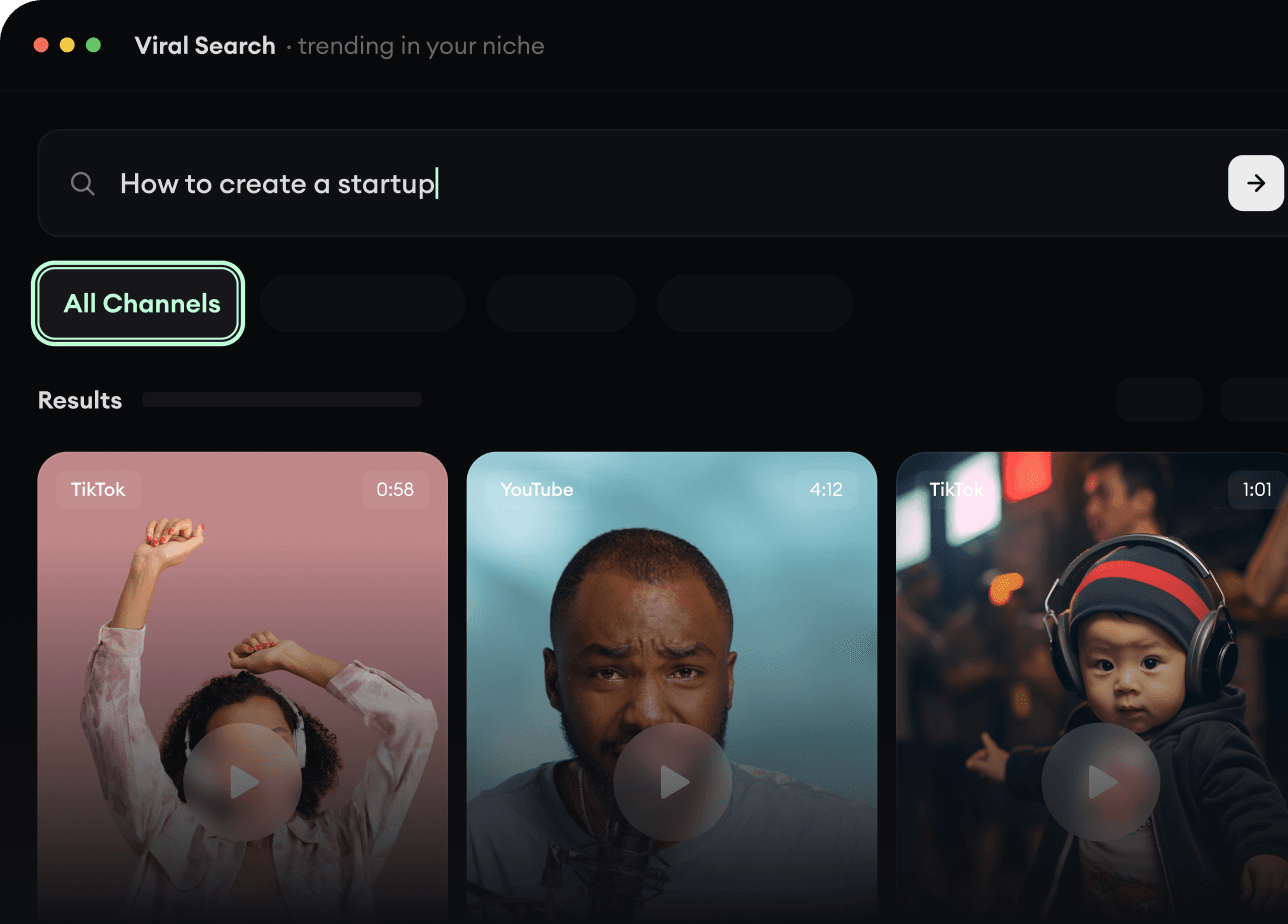
Viral Search i Channel Watcher w Revid AI pokazują formaty, twórców i trendy, które właśnie przyciągają uwagę, a potem pomagają Ci zamienić je we własne pomysły.
Odkryj skuteczne formaty wideo w swojej niszy
Obserwuj twórców i kanały, które się liczą
Zacznij od sprawdzonych pomysłów, zamiast zgadywać
2
Zamień pomysł w historię.
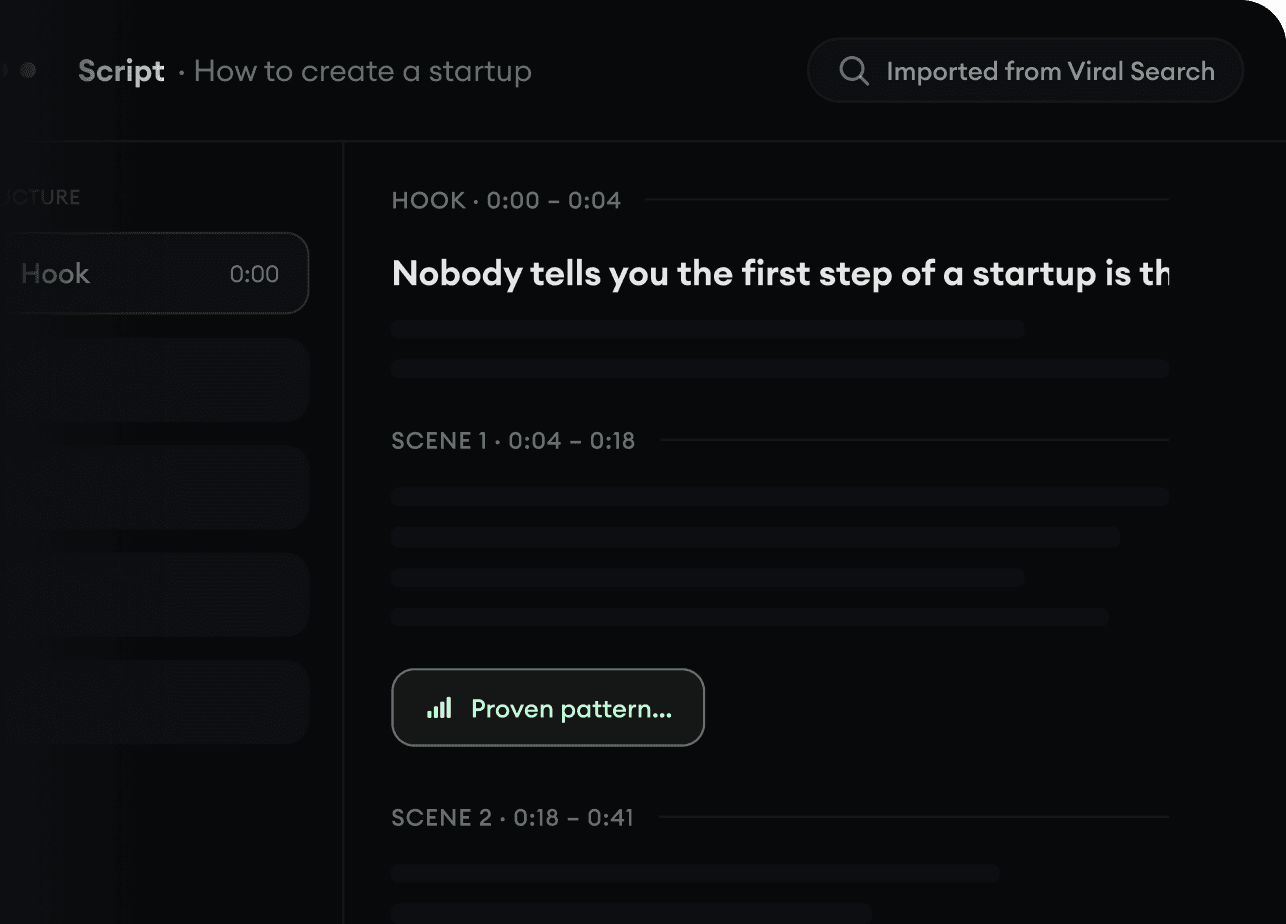
Masz temat wart filmu? Revid AI pisze scenariusz, proponuje strukturę i zamienia linki, prompty lub tematy w kompletne koncepcje filmów.
Zacznij od promptu, tematu lub adresu URL
Generuj scenariusze oparte na sprawdzonych schematach
Twórz historie, które przykuwają widzów do ekranu
3
Wygeneruj gotowy film.
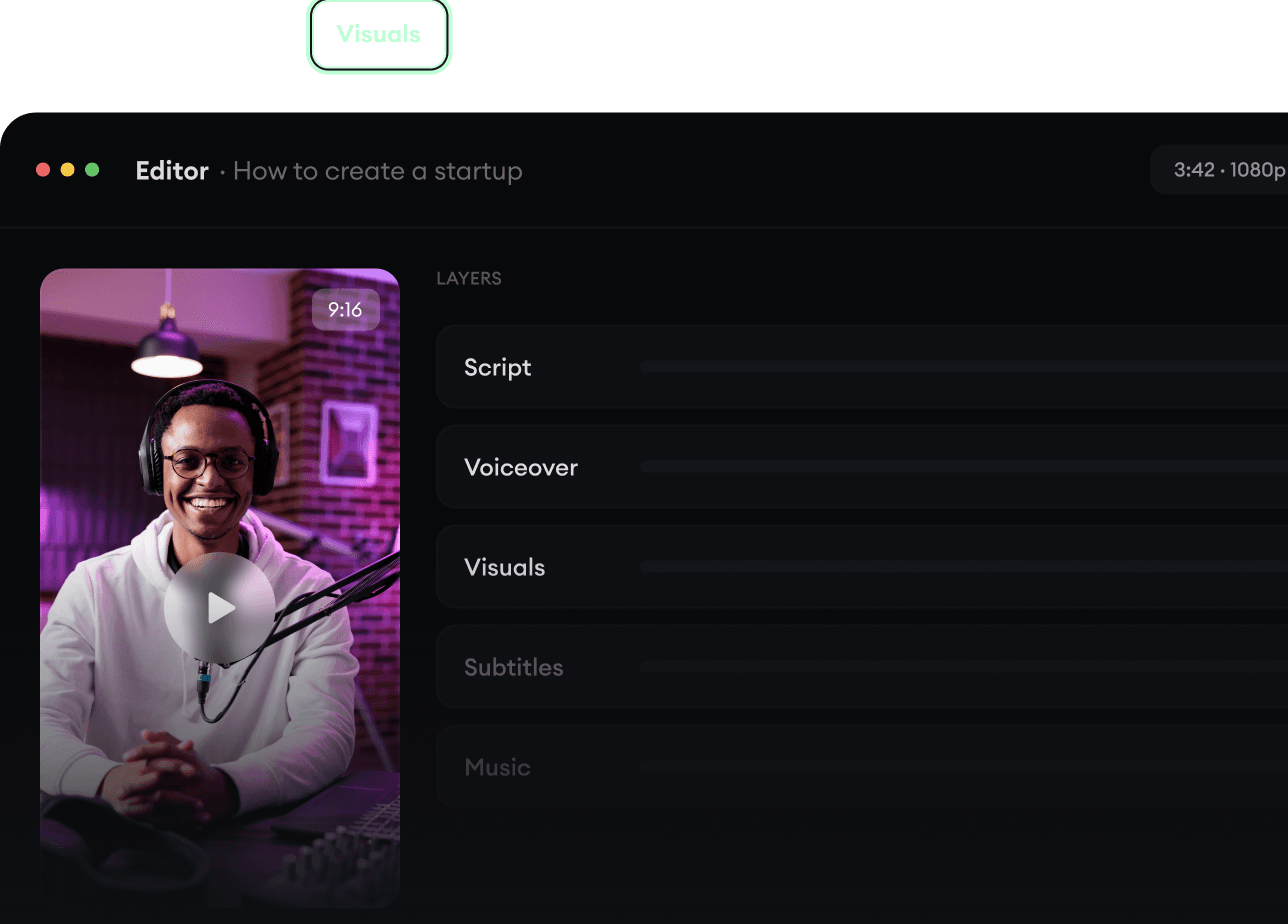
Scenariusz, lektor, wizualizacje, napisy i montaż w jednym procesie. Bez łączenia pięciu różnych narzędzi.
Zamieniaj tekst w kompletne, kilkuminutowe filmy
Generuj wszystko w jednym miejscu
Dopracuj efekt w edytorze
4
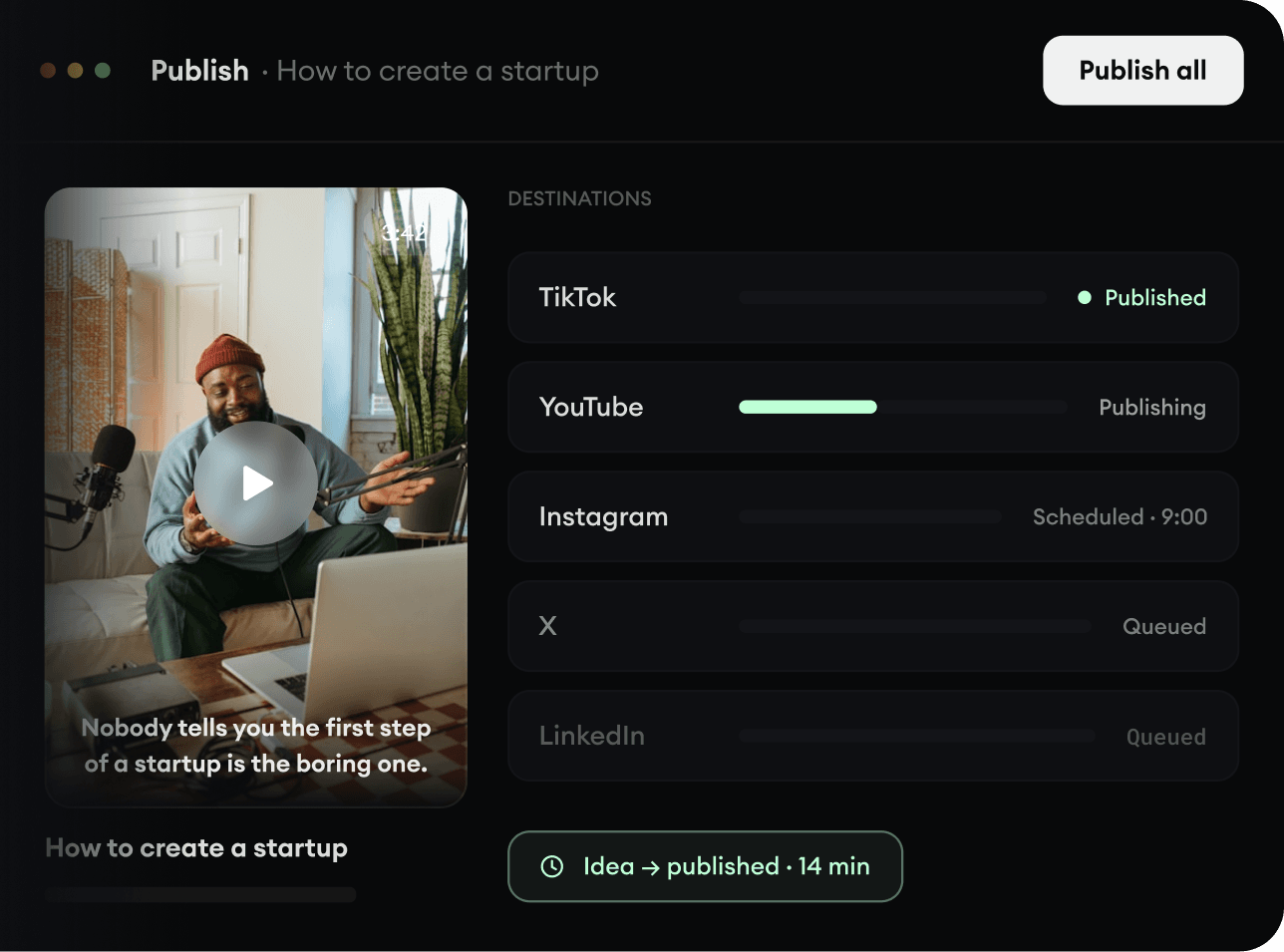
Publikuj wszędzie.
Udostępniaj swoje filmy na TikToku, YouTube, Instagramie i wszędzie tam, gdzie jest Twoja publiczność.
Publikuj na wszystkich głównych platformach
Docieraj do większej liczby osób mniejszym nakładem pracy